
Creative Arts Research & Development Laboratory
Sometimes working in the creative sector is messy. The work can't always be neatly stacked into categories like community event, production, or even public experience. Sometimes you have to channel your inner ˆMAGIC SCHOOL BUS' and do as Ms. Frizzle says, "Get Messy! Make Mistakes!"
The Creative AR&D Lab is a place where you can be messy, make mistakes, and work things out. It is the home of process-driven experiences that help us to create next wave of cool things in Oskaloosa, the region, and even, the country.
2025 - Arts Education Summit Session
An Arts Conversation for Student-Driven Project Creation
Become the true magician-educator of project and event creation by creating your very own student-driven collaborative projects! This session will walk you through the steps of creating or adjusting an experience for the public. You will practice designing a logic model, backwards engineer a calendar, create a budget, and develop post-project assessments to help you and your students implement new plans and make magic for your community.
Our Main Outcomes
• Perceiving that concerts, art shows, plays, and other school arts events are community events that you are already running.
• Understanding that student-driven models are usually more work, but can create more format and impact variety and grow more experienced people.
• Acknowledging that the process of reflecting with your students can be as (or more) valuable than the actual project.
Logic Model
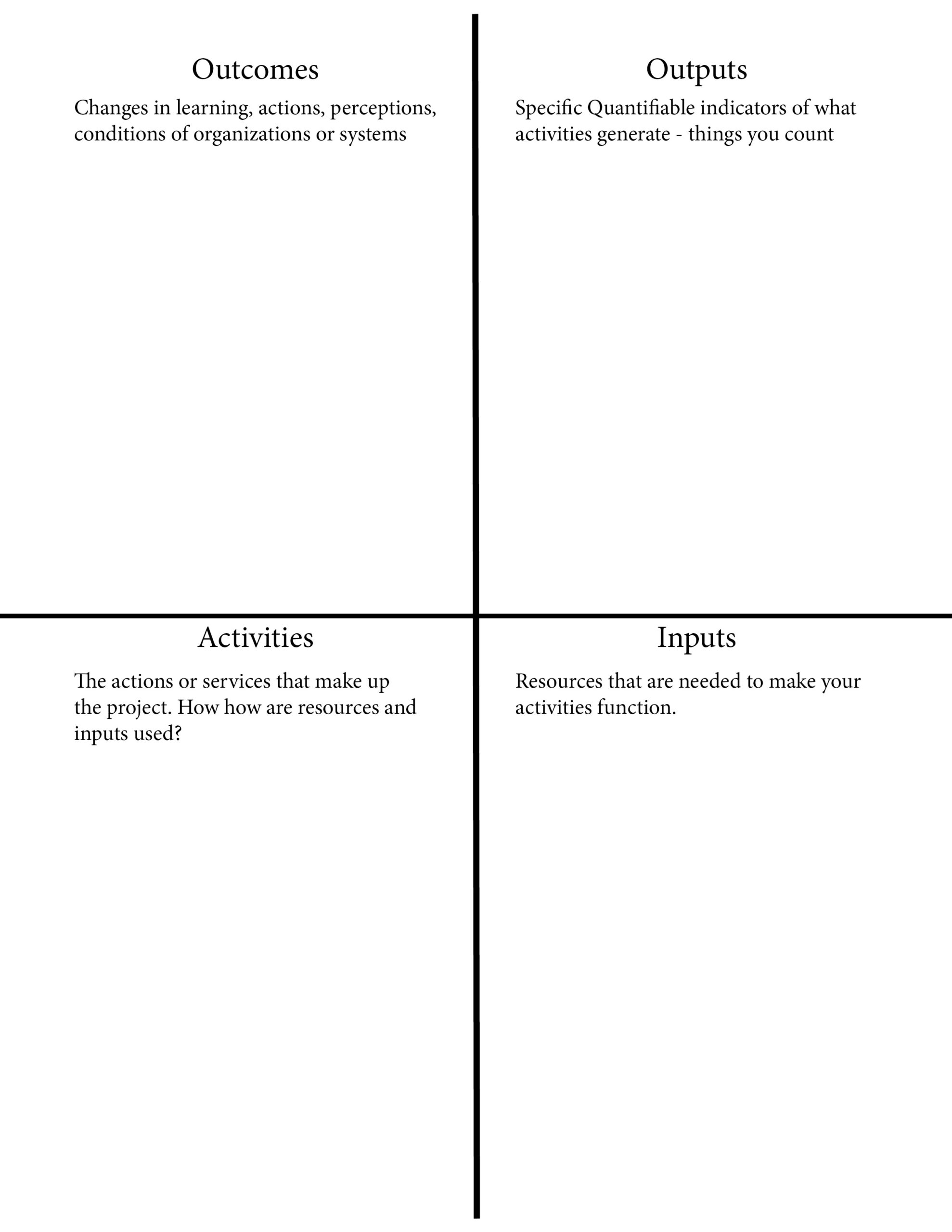
We use Logic Models as a way to focus our conversations and get on the same page about what we're trying to do with a project or event. We start with outcomes and move around the sheet in a clockwise direction.
Outcomes - The qualifiable things we're trying to accomplish
Outputs - The things you count from your activities.
Activities - The actions, services, or other things that make up your project.
Inputs - Resources that are needed to make your project run.
All of these things run on "IF/THEN" logic test.
IF your inputs are available, THEN you can run your activities.
IF your activities happened, THEN you can count your outputs.
IF you can count your outputs, THEN you are able to have data to lend to your outcomes.
Plan • Actual • Variance
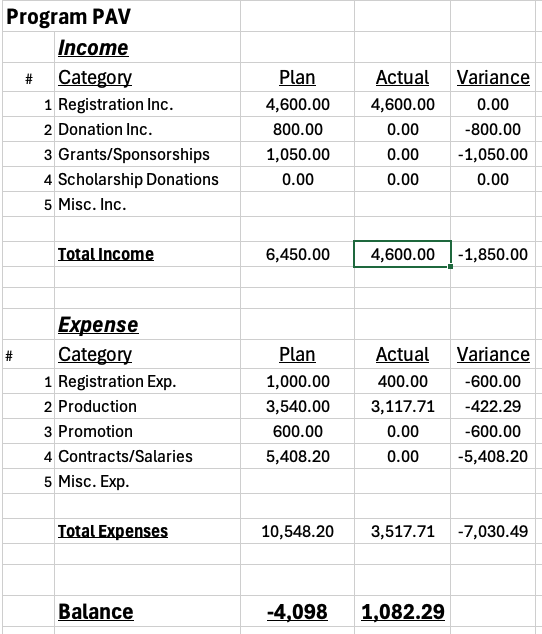
A PAV is how we try to track all kinds of countable data. It is important not just to make the plan, but you need to input actual data and assess the variances.
Step one: Estimate your initial numbers (usually using data from previous projects that are similar). Once this is finished, DON'T CHANGE IT.
Step two: Input your actual data.
Step three: assess the variance between your actual data and your planned data.
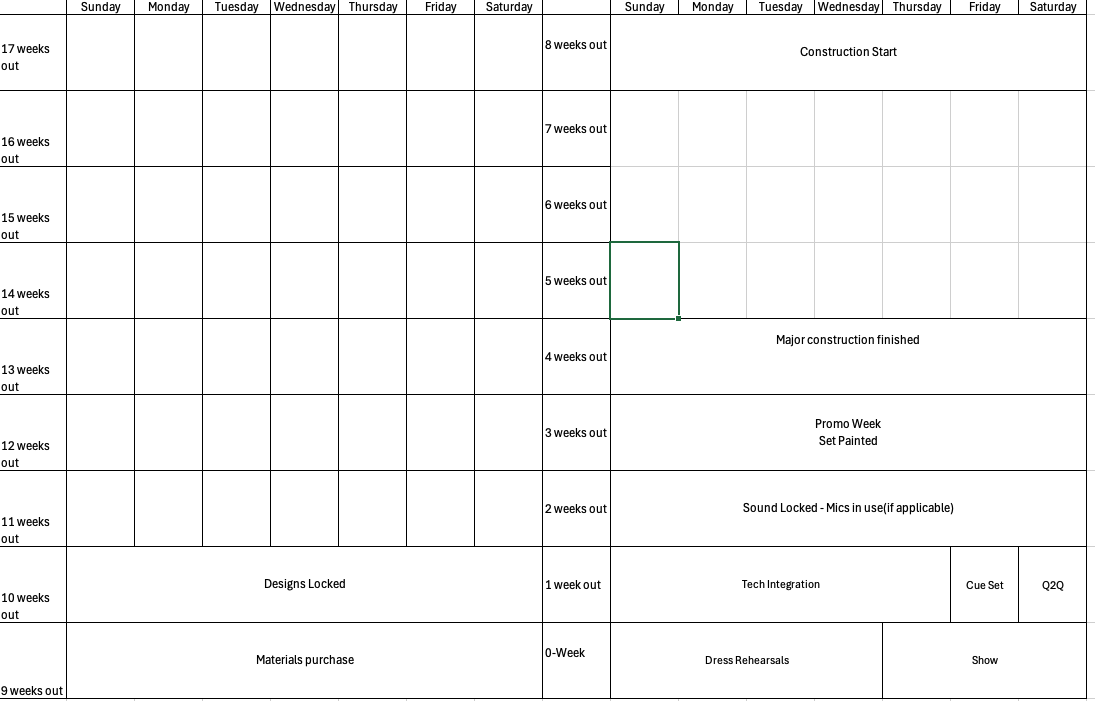
Begin with the end in mind
Decide where you want to be and then set the schedule, and be ready to be flexible.